
The Rise of K-Dramas
And how they conquered the world
6-minute read
The Korean Wave
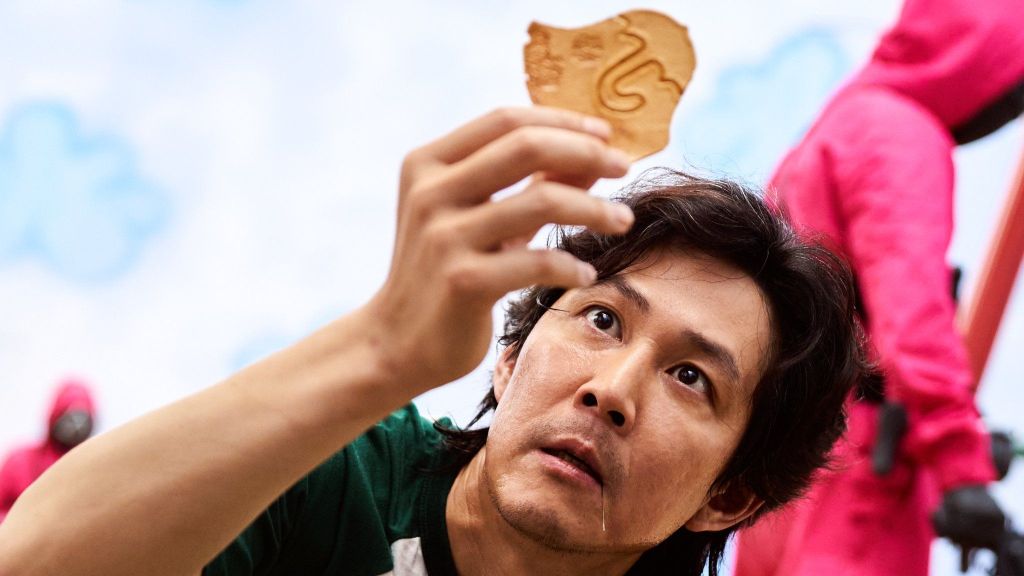
Whether you are a fan of all things Korean, or you’ve only heard of K-Dramas when children got burned after trying Squid Game’s dalgona challenge, you’ve probably already heard that word. Korean dramas, more commonly known as K-Dramas, are TV shows made in South Korea. Their popularity has gradually increased since the 1990s as it spread across Asian countries in what is known as the Korean Wave. “Hallyu” (the Chinese term coined to describe the spread of the Korean culture) gradually reached countries all over the world in the 2000s and is still expanding today.
As it is intrinsically tied to the Korean Wave, the K-Drama benefited from this growing influence. One example of this growth is comparing one of the most popular historical and culinary drama of the 2000s Dae Jang Geum which aired in 91 countries with the more recent Crash Landing on You (2020) which premiered in 190 countries. It reflects the presence of Korean entertainment into our homes that skyrocketed during the pandemic as we all stayed home watching a variety of TV series. Streaming services seem to have adapted to these new habits as shows the general Netflix Twitter account which recently promoted the release of new Korean Dramas.
South Korean Soft Power – K-Pop and the K-Drama
Back in 2020, Bong Joon-Ho’s black comedy Parasite won four Oscars, making it the first non-English film to ever win Best Picture. This translates the hegemony of the South Korean soft power – a term coined by Joseph Nye that describes an intangible power built around image and cultural appeal. The Korean Wave spread to a global interest towards South Korean culture, particularly through pop music, cinema and TV shows. The movement was mainly led by Korean pop music bands (K-Pop) such as Girls’ Generation, BoA or Big Bang and more recently BTS or Blackpink. As such, it is hard to speak about the K-Drama without mentioning the influence of K-Pop. Numerous idols – K-Pop celebrities – played in K-Dramas, which participated in the growing popularity of these TV shows. One of the many examples of this phenomenon is the series Hwarang (2016) that features a few well-known idols such as BTS’s V or SHINee’s Minho.
In certain cases, the two industries feed into each other to ensure the sustainability of South Korean soft power. For instance, BTS’s sensation V is said to have recommended the 2021 drama Itaewon Class to ARMYs (BTS’s fanbase) and even wrote a song for the show’s OST. In a way, K-Pop led to the ever-growing popularity of the K-Drama in the world.
Looking Back at 2022
The legal drama Extraordinary Attorney Woo spent 20 weeks occupying the Top 10 list of the most-watched Non-English TV shows and films of Netflix in 2022 with 9 weeks spent at the first place. This data clearly tells us there is something about K-Dramas that feels universal. In this regard, Attorney Woo added a fresh twist of modernity to rusty shows about solving and defending cases, both showcasing the difficulties that disabled people face at work and the heart-warming relationships developed there.
Opposing the well-known K-Drama cliché that all productions are family-friendly light romances, 2022 saw the release of several darker-themed Dramas like the apocalypse horror series All of Us Are Dead, the courtroom drama Juvenile Justice or the Korean rendition of Money Heist. This shows the vast range of contents and subjects in K-Dramas which speaks to all of us. In an interview, Associate Professor Dafna Zur mentioned “Korean dramas humanize even the most aloof billionaires and get audiences to care – and usually, all they ask of us is 16 hours of our time.”
What’s Up in 2023?
There’s no doubt that 2023 will be a prosperous year for the Korean Drama industry. K-Dramas, which have historically rarely had seasons, now sometimes present subsequent seasons. It’s highly probable that streaming platforms like Netflix influenced this trend by releasing second seasons of series like Kingdom (2019) or Love Alarm (2019). The now incredibly renowned Squid Game will also be getting a second season, but the release date is still to be announced.
A wide variety of content is to be expected, notably since the year started with the release of the second season of Korean reality TV show Single’s Inferno which has also reached Netflix’s global Top 10 alongside Extraordinary Attorney Woo. The series is very different from what you’d typically expect from a US or European reality TV show, and it seems to have brought a breath of fresh air in the landscape of Bachelor-esque programmes.
From what was considered to be almost exclusively romances, different genres of K-Dramas ranging from comedy to sci-fi are being released globally. The future of Korean TV shows looks bright for a post-pandemic world that’s ready to let the Korean Wave spread like wildfire – terrible joke intended.
If you live in London and are interested in learning about the Korean Wave, the V&A currently has an exhibition about Hallyu running until June 2023.
 PLUTO
PLUTO 
Leave a comment